On November 27th, the European Commission released the new Strategic Framework for a Competitive and Sustainable EU bioeconomy, highlighting that the bioeconomy accounts for 5% of the European GDP and supports over 17 million jobs. Its untapped market potential is substantial, as it is the fastest-growing sector in the EU.
The Swedish Forest Industries Federation (SFIF) welcomes the Commission's approach to build a competitive and resilient bioeconomy through a genuine growth strategy, cutting external dependencies.
“The forest industry welcomes the Commission’s growth-oriented approach for bioeconomy. We play a key role in achieving a competitive and resilient Europe. For this we need to boost the use of biomass as a strategic resource that benefits not only green transition and our joint climate goals but the overall economic security”, says Viveka Beckeman Director General of SFIF.
SFIF supports the vision of the new Bioeconomy Strategy, which promotes sustainable and bio-based materials and products that provide fossil-free alternatives while creating new jobs and stable income streams, particularly in rural areas.
“To achieve the immense growth potential in the bioeconomy, markets for materials need to contribute to reducing the use of fossil-based resources and recognise the substitution effect of renewable alternatives. This principle is fundamental for accelerating the transition to a sustainable, bio-based economy and should be reflected consistently across European regulation”, continues Viveka Beckeman.
SFIF appreciates the identification of several lead markets for materials and the inclusion of targeted initiatives within a coherent strategy. These steps are positive for fostering innovation and sustainable solutions. Likewise, the Commission’s commitment to supporting public buyers who wish to integrate bio-based solutions into procurement processes is encouraging.
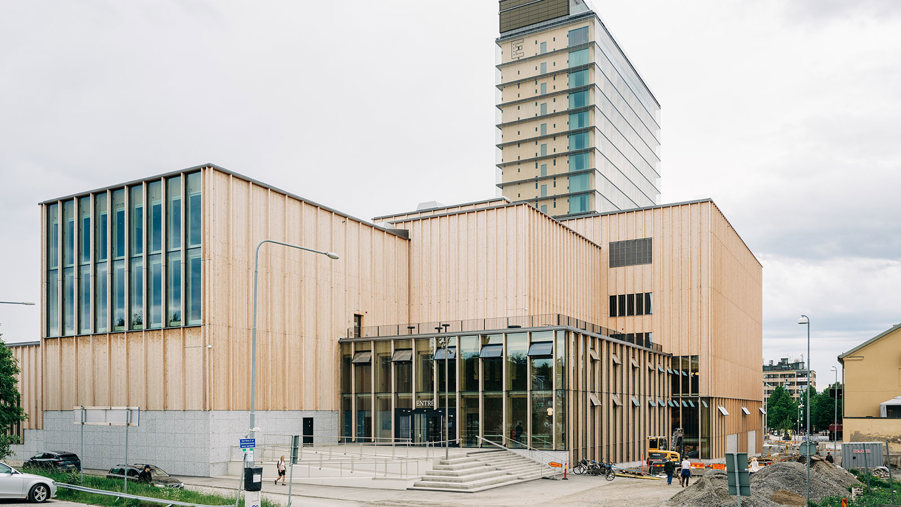
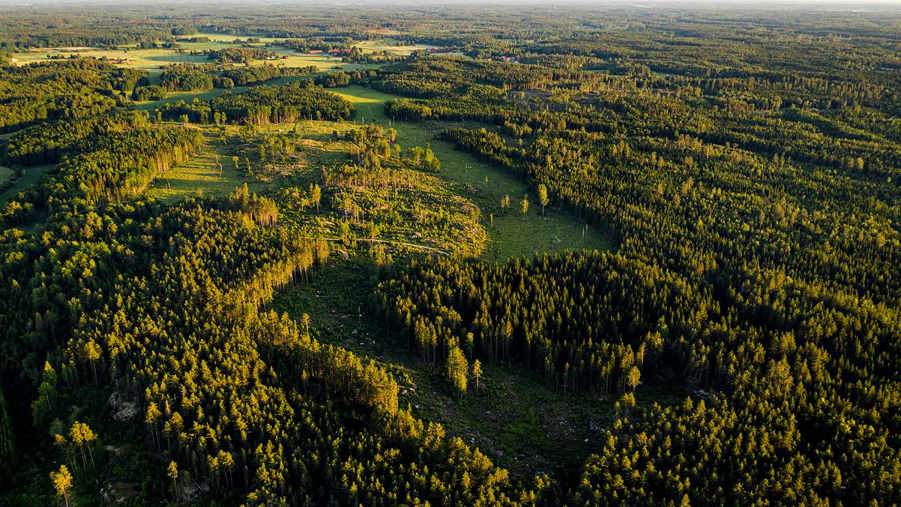
“From our perspective, the forest-based bioeconomy is based on forest owners, saw mills and pulp & paper mills. Wood-based construction and renewable packaging material are key lead markets with a great potential for innovation and growth, but this relies heavily on improved raw material access, regulatory simplification for primary production and industry and improved competitiveness for the sector”, says Viveka Beckeman.
“We have to accelerate the substitution of fossil-based materials”
One-sided emphasis on forests as carbon sinks hinders the growth of a sustainable and innovative bioeconomy, which is essential for fostering new value chains, supporting rural communities, and accelerating the transition to a fossil-free society.
“We are committed to working together for a strong European bioeconomy as an investment in Europe’s long-term prosperity, resilience and security. The first step is to accelerate the substitution of fossil-based materials, especially in construction, in the upcoming legislation package for the 2040 climate target”, says Viveka Beckeman.