The Swedish Forest Industries Federation (SFIF) welcomes an ambitious intermediate climate target for 2040 and realistic principles for achieving it. Improved competitiveness for European industry is a key success factor, for example, through simplification and reduction of administrative burden.
The amendments also include a more realistic approach to the potential contribution of natural sinks.
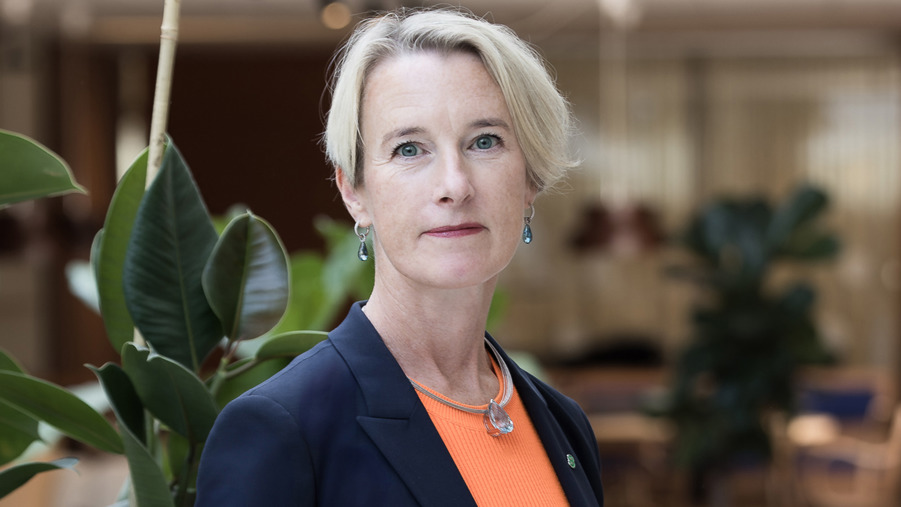
“Natural variations and dynamics in forests should not restrict the bioeconomy’s broader contribution to climate mitigation and economy in the longer term. This is a clear direction for the upcoming revision of the LULUCF regulation”, says Viveka Beckeman, Director General of SFIF.
It is an encouraging step in the right direction that the final text recognises substitution of fossil-based materials as a central element in achieving the EU’s climate-neutrality goal.
“A sustainable and circular bioeconomy is crucial for strengthening competitiveness, resilience and climate mitigation in the Union through the substitution of fossil-based materials, as communicated in the new Bioeconomy Strategy”, says Viveka Beckeman.
SFIF welcomes a realistic approach to the ETS trajectory as it will be more challenging to maintain competitiveness as it approaches zero. However, protection against carbon leakage must be maintained for all industry.
“The 95% rule for biomass leaves early movers in the bioeconomy without adequate protection against carbon leakage, despite their important role in the green transition. To ensure decarbonisation and maintain fair competitiveness, this rule must be abolished”, says Viveka Beckeman.