There are several alternatives to even‑aged retention forestry, but they are used only to a limited extent in Sweden. Methods such as selection forestry, gap cutting and shelterwood systems create different forest structures and place specific demands on both site conditions and tree species. Here, we explain how these methods work and why they remain uncommon in the Swedish forest landscape.
Selection forestry
Selection forestry requires a multi‑layered forest, meaning that trees of different sizes and ages are already present at the same site. Harvesting typically takes place every ten to twenty years, with a share of the largest trees being removed at each intervention.
Unlike even-aged retention forestry, no active measures are taken to promote regeneration or growth of smaller trees. Instead, regeneration takes place naturally, without direct human influence. Only tree species that tolerate shade and strong competition can, over time, form and maintain a multi‑layered forest. In Sweden, this mainly applies to spruce and beech, which thrive in dark, closed forest environments.
Over centuries, Swedish forests have been managed in ways that, together with forest fires, have made multi‑layered forests very rare. Today, they are found mainly in areas close to the mountain range.
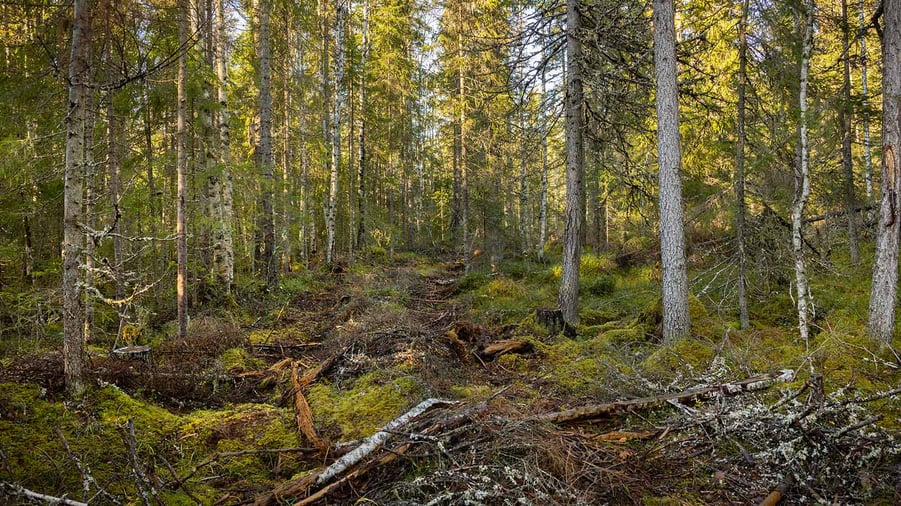
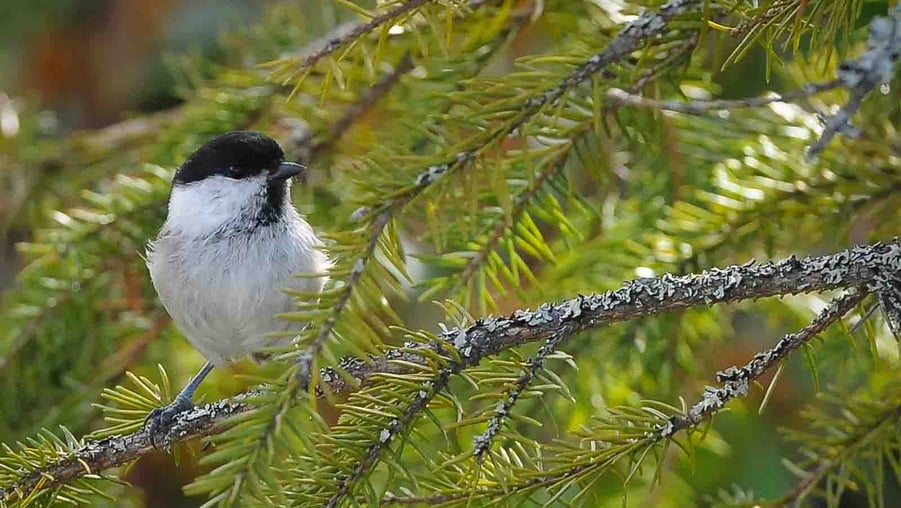
Of the Swedish tree species, spruce and beech are the ones that thrive in selection forests.
Photo: Michael Engman
Gap cutting
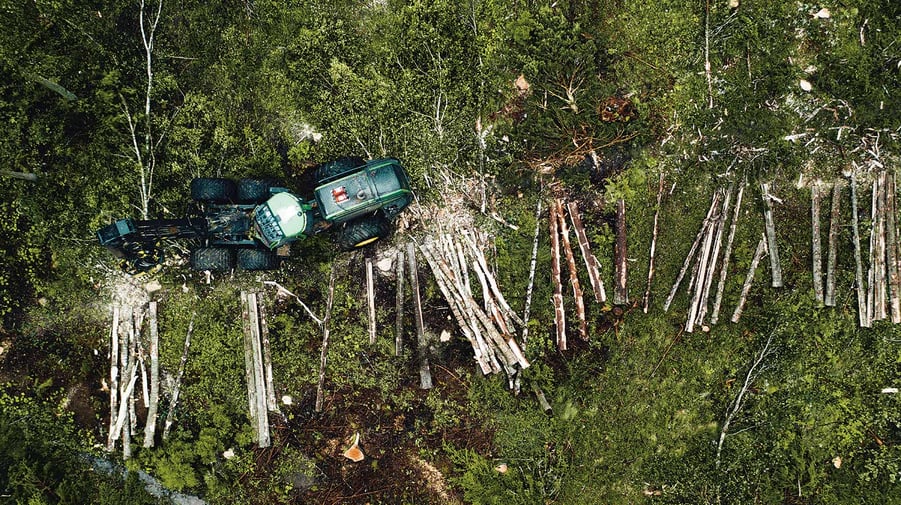
The creation of small forest openings, or gap cutting, can be described as even-aged forestry on a very small scale. Instead of harvesting one large area in one operation, the area is divided into many small openings, or gaps, each no larger than 50 × 50 metres. This approach helps retain some of the feeling of a forest landscape.
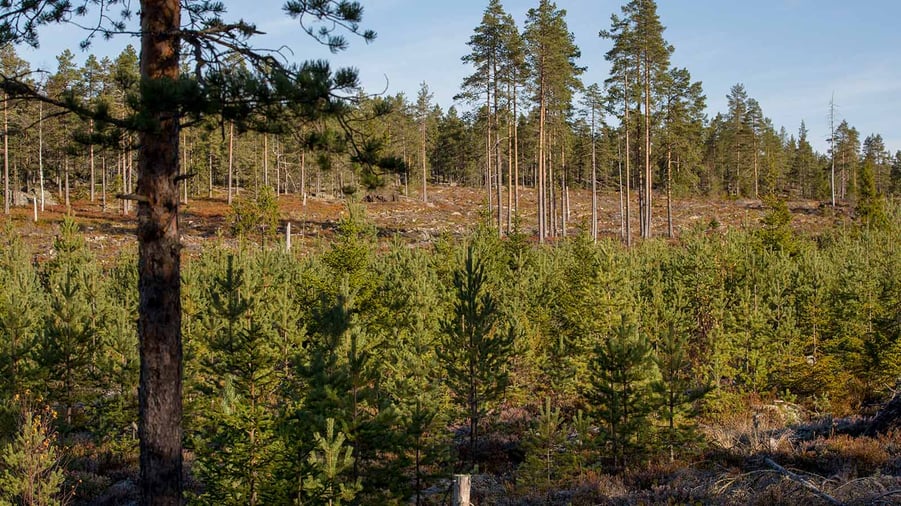
All common tree species can regenerate within these small gaps. Compared with conventional even-aged forestry, the method creates a fine‑scaled, mosaic‑like forest structure. Over time, forest landscape develops into a patchwork of micro‑clearings and many small forest stands of different ages, each covering less than a quarter of a hectare. However, the method does not lead to large, continuous areas of old forest.
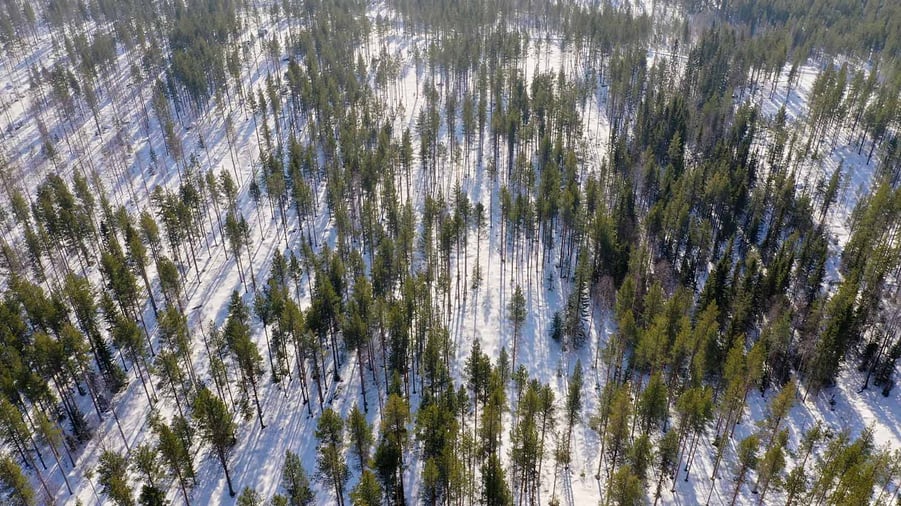
Gap cutting creates a mosaic of very small forest patches of different ages.
Photo: Ulf Hallin
Shelterwood system
Shelterwood systems, sometimes referred to as shelterwood stands, are also a method used within even‑aged forestry. The mature forest is thinned in several stages, allowing new seedlings to establish and grow. For a period of around a decade, this creates a two‑layered forest structure, with older trees above and younger trees below.
Once the young forest has reached a height of around one metre, most of the remaining larger trees are removed. Shelterwood systems are storm‑sensitive and technically demanding niche methods that require favourable conditions to succeed and can therefore only be applied on limited areas.
These management methods are not new. On the contrary, there is more than a hundred years of European experience and research to draw on. Before even‑aged forestry was introduced nationwide in Sweden from the 1950s onwards, harvesting was often carried out as selective logging, focusing on the largest trees. However, because there were rarely enough small and medium‑sized trees to replace those that were removed, the result was sparse forests with slow growth. It was when the forest sector and forest researchers began searching for more sustainable management methods that even‑aged retention forestry was introduced.