An important starting point for sustainability work in Swedish forestry is the FAO (UN Food and Agriculture Organization) definition of sustainable forest management, which includes three dimensions: ecological, economic, and social sustainability.
Through legislation and guidance, Swedish forest policy aims to balance the three dimensions of sustainability – ecological, social, and economic – on which the Agenda 2030 framework is based. The current Swedish Forestry Act (sv. skogsvårdslag), which came into force in 1994, emphasises that it is just as important for forests to grow well as it is to preserve their natural values.
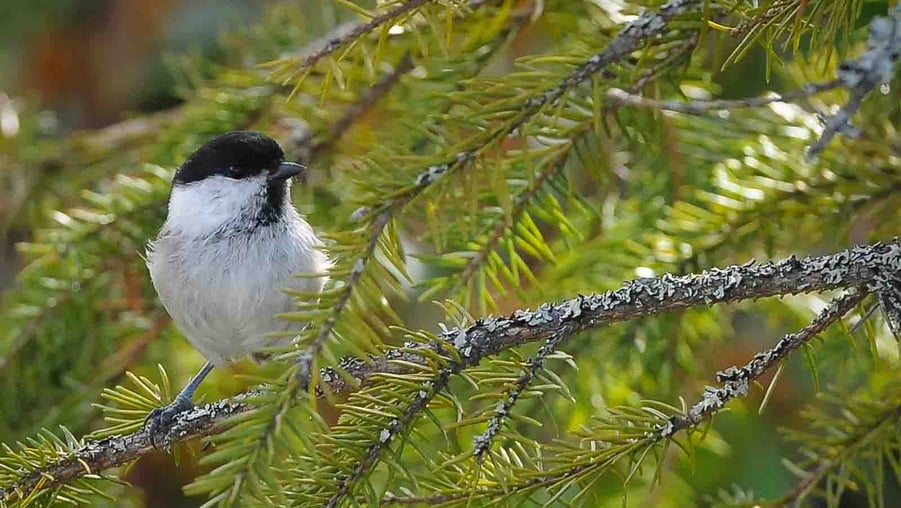
Ecological sustainability
Sustainable forestry secures the long-term availability of renewable resources, protects biodiversity and helps to combat global warming. The Swedish forest sector’s goal is to manage the forest to ensure that all species in Sweden’s wooded landscape can survive and thrive. By taking care in managing the forest, the conditions that promote biodiversity are created every day.
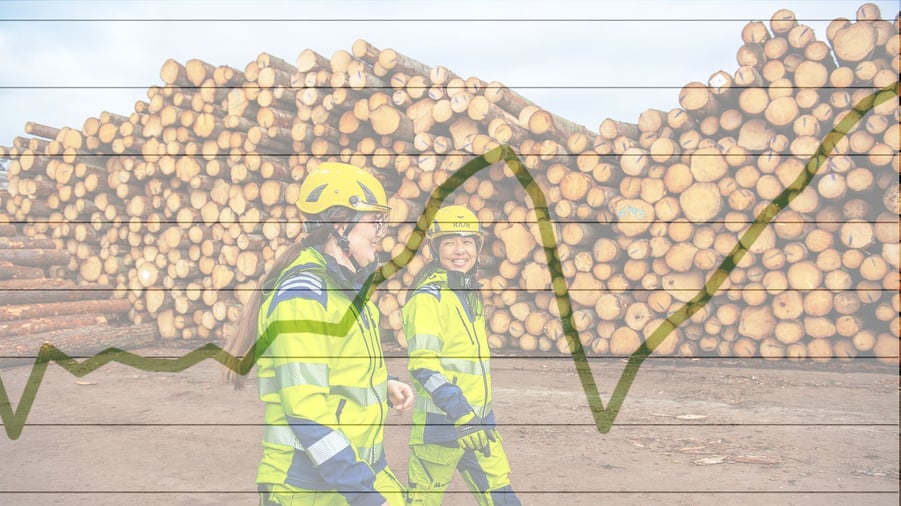
Social sustainability
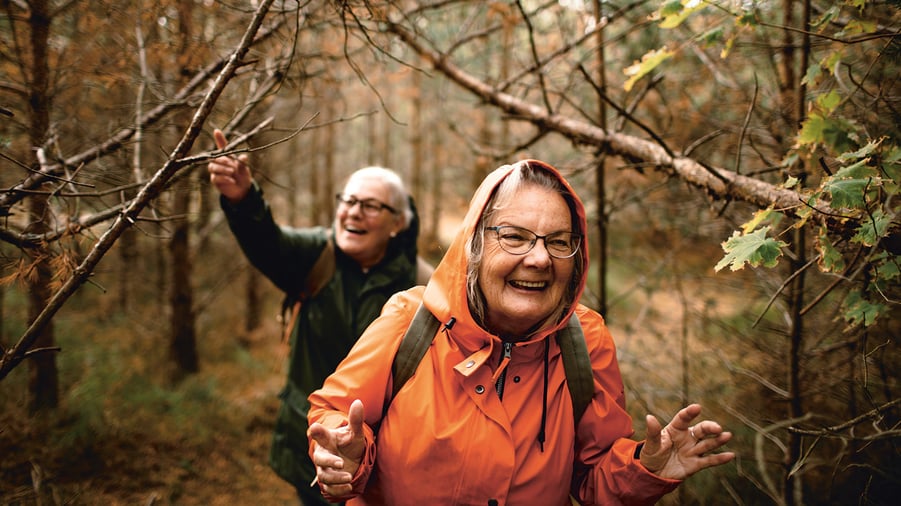
The forest sector bears a social responsibility both as an employer and as a player in society. The sector enables people to live and work in all parts of Sweden, and in many areas it is a vital hub in the local community. Other aspects of social sustainability relate for example to the sector’s efforts to make the forest an important place for recreation and being outdoors.
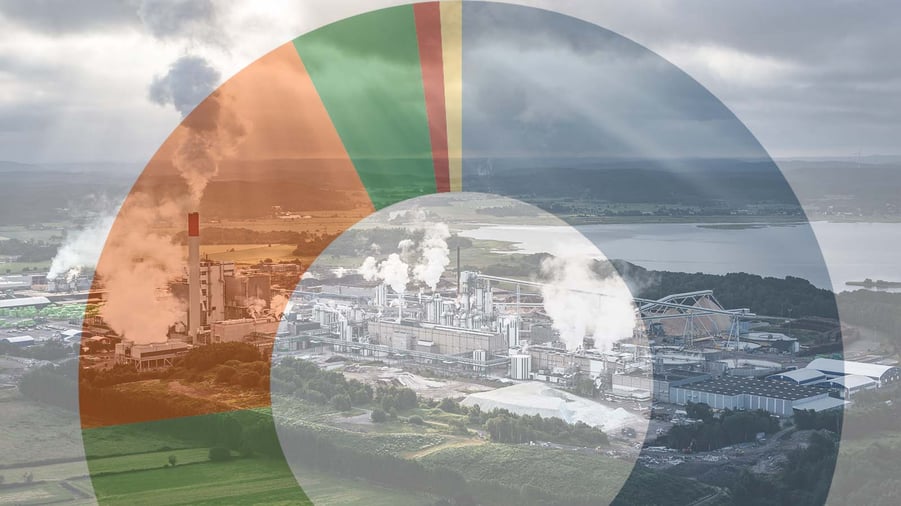
Economic sustainability
The forest should be used in a responsible, profitable way, always creating competitiveness and increased value for coming generations. With the vision “The forest sector drives growth in the global bioeconomy”, the sector wants to work for sustainable economic growth based on renewable biobased materials.